 |
 |
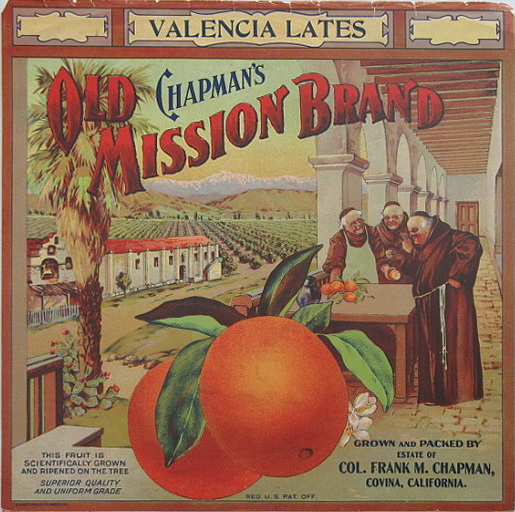 |
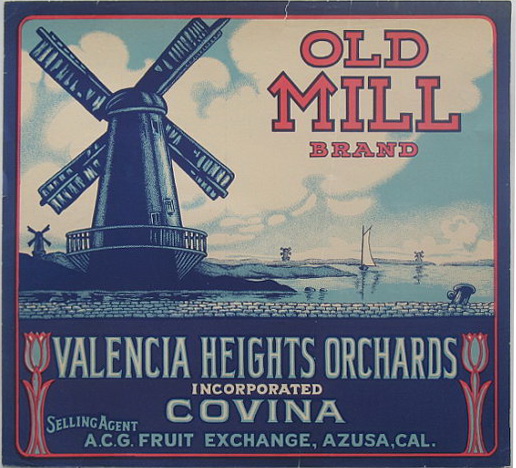
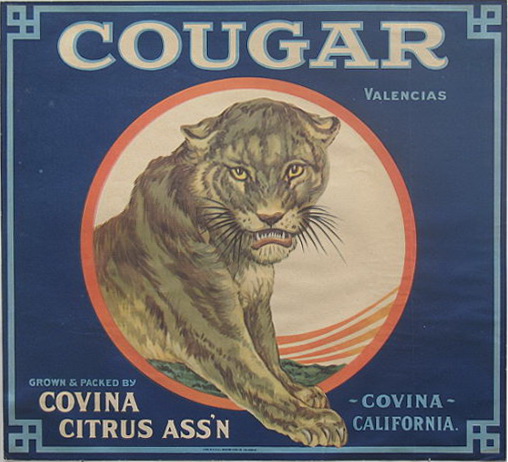
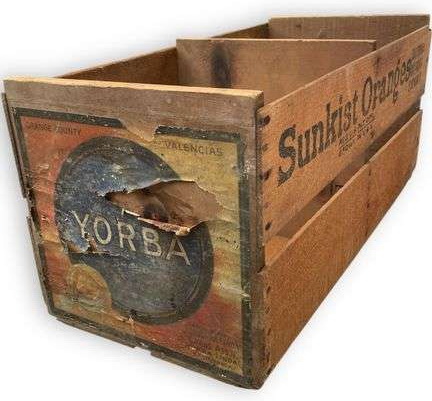
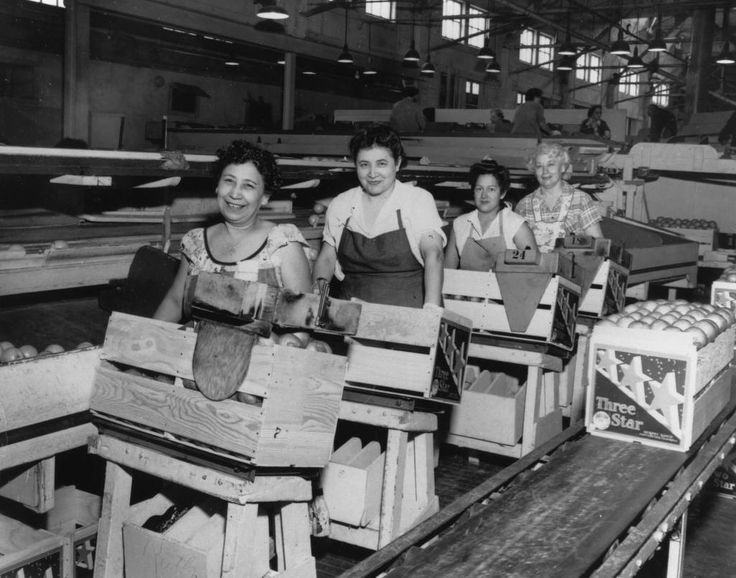
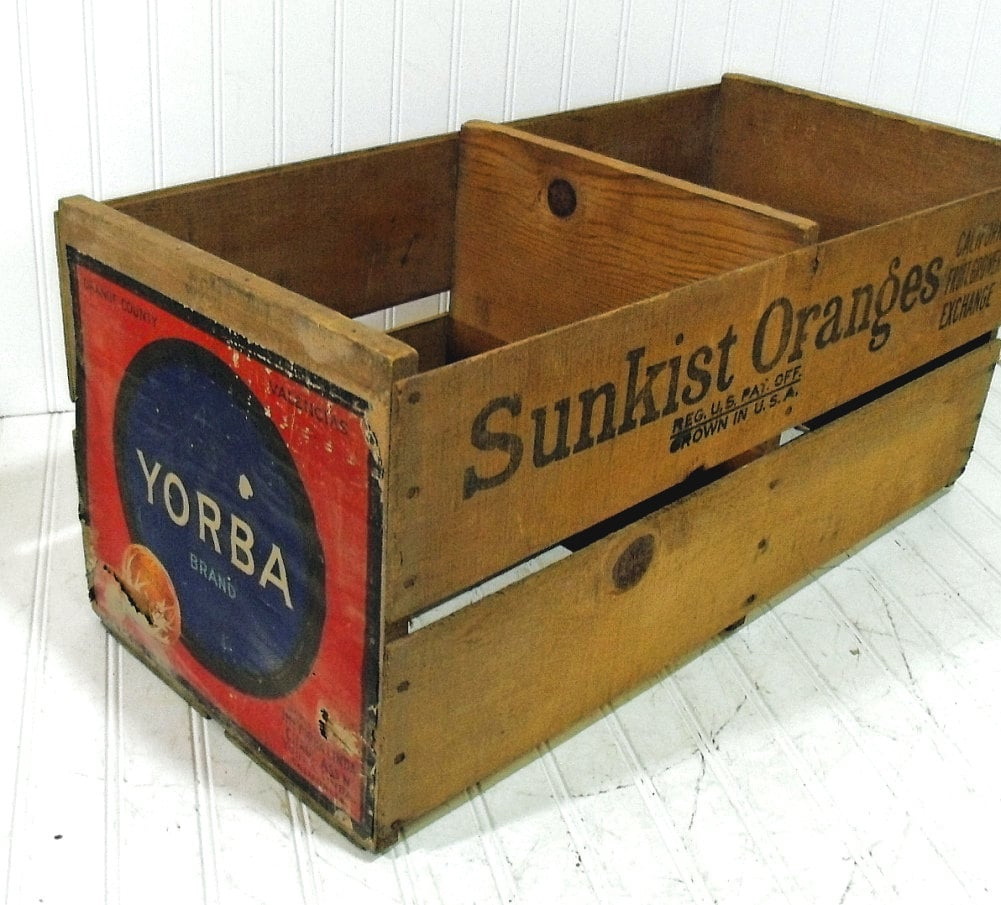
History of Citrus Crate LabelsCitrus crate labels became one of the most recognizable forms of commercial art to emerge from Southern California's citrus industry. Beginning in the late nineteenth century, as refrigerated rail transportation allowed California oranges and lemons to be shipped across the United States, growers needed a way to distinguish their fruit from competing brands. Brightly colored lithographed paper labels were pasted onto the ends of wooden crates, identifying the grower or packing house while also serving as eye-catching advertisements. From about 1885 through the 1950s, thousands of different labels were produced. Early designs emphasized idyllic California landscapes, orange groves, missions, and mountain scenery, reinforcing the image of Southern California as an agricultural paradise. During the 1920s and 1930s, artists adopted more modern advertising styles, featuring bold typography, glamorous figures, airplanes, animals, and colorful graphic imagery that reflected changing consumer tastes. Advances in color lithography allowed printers to create richly detailed labels that remain prized examples of American commercial art. The widespread use of pre-printed cardboard cartons after World War II gradually replaced wooden crates, bringing the era of citrus crate labels to a close by the mid-1950s. Although their practical purpose disappeared, the labels became highly collectible for their artistic quality and their connection to California's agricultural heritage. Today, museums, libraries, and private collections preserve thousands of examples documenting the history of the state's citrus industry. Among those who appreciated these colorful pieces of California history was Leonard George Daniels, Jr., who collected orange crate labels as part of his interest in preserving regional history and ephemera. His collection reflected both the artistic appeal of the labels and their significance as historical artifacts that document the growth of Southern California's citrus industry, the evolution of advertising, and the communities that prospered through citrus production. By preserving these labels, Daniels helped ensure that an important visual record of California's agricultural past would continue to be appreciated by future generations. |
||
 |
 |
 |